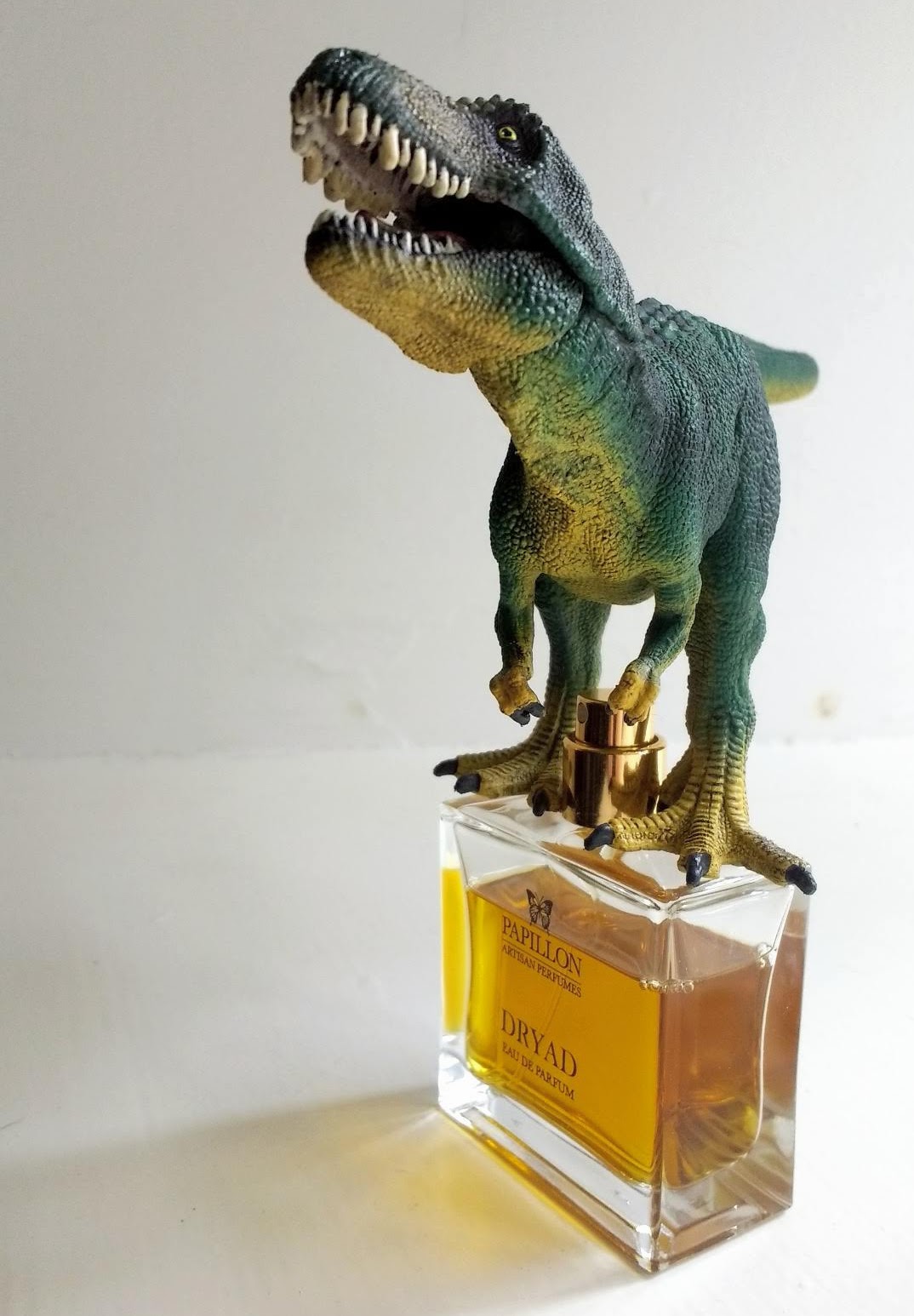
Dryad conjures up Hill and Adamson’s 1846 calotype “The Fairy Tree”. Early British photography is full of trees: massive bare ancient oaks in country estates, survivors of lightning strikes or storms, embodying a deep-rooted connection to the land and time in the face of all the exciting, terrifying modernity of the industrial revolution.
They are monuments to a vanishing world.
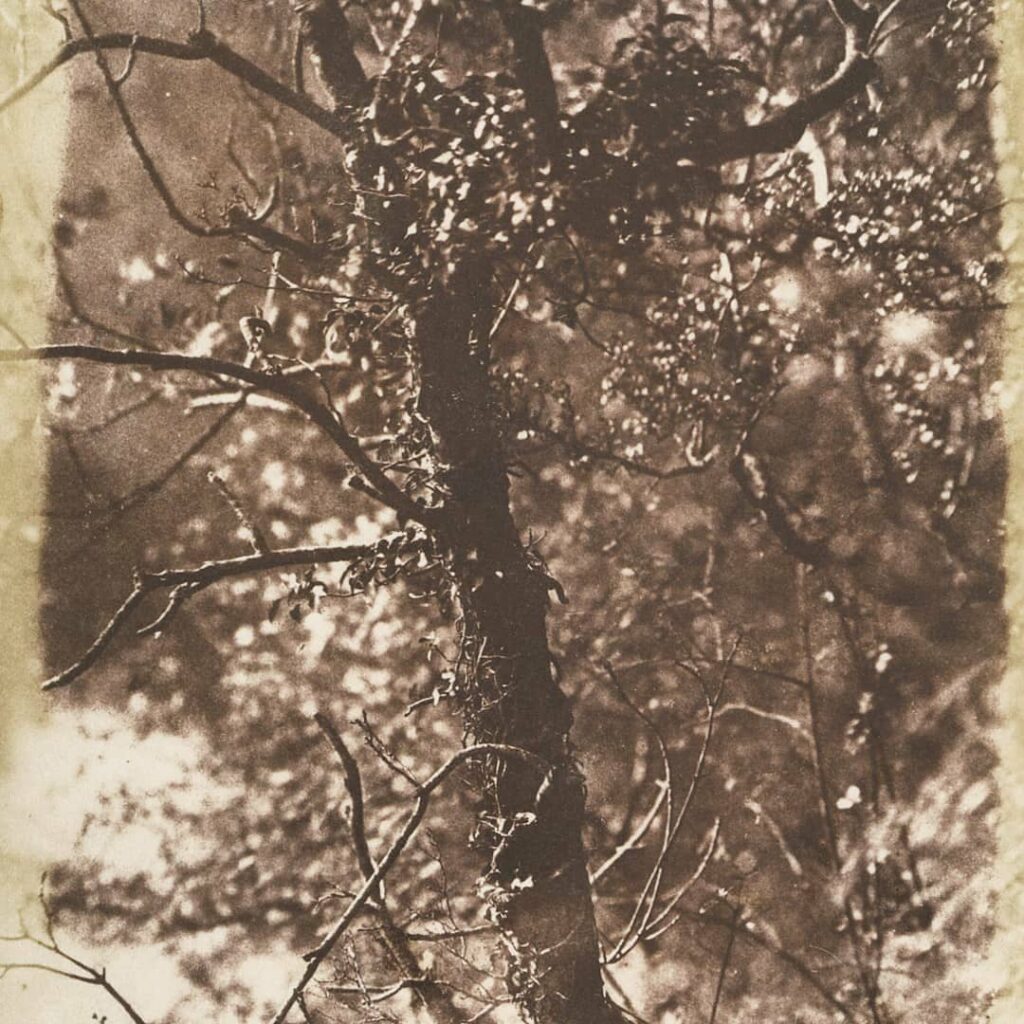
There’s something about this photograph, about the close in, intimate scale, about the bright spring light sparkling on the new grown ivy that feels alive with promise (even now with the gradual destruction of the salt print that is being eaten, edges in, by time and the light that made it.)
Dryad feels alive. Wet, green, vibrant, earthy, uncanny. It is full of the deep magic and violence of spring.
Deep woodland is rare in England these days (and Scottish woodlands smell different anyway). You can’t get properly lost in these tiny pockets between roads and new housing estates. But Dryad holds the scent and sense of the last vast woodland where you might accidentally wander between kingdoms, get abducted by witches, or be adopted by wild animals.
And if it’s not entirely clear yet: I bloody love this fragrance by Liz Moore at Papillon Perfumery
originally posted 15 March 2019, main photo replaced